
Fire Extinguisher
Fire Extinguisher
Fire Extinguisher
Fire Extinguisher
Fire Extinguisher
Fire Extinguisher
Fire Extinguisher
Fire Extinguisher
Fire Extinguisher
Fire Extinguisher
Fire Extinguisher
Fire Extinguisher
Fire Extinguishers for Homes, Offices and Commercial Buildings
Portable fire extinguishers are an important part of workplace and property fire safety. They are designed for use on suitable small, early-stage fires by people who have received appropriate training and have a safe escape route.
Supreme Networks supplies different extinguisher types and capacities for residential, commercial and industrial applications. However, the correct selection depends on the fire hazards present, the equipment's certified ratings and applicable safety requirements.
Dry Powder Fire Extinguishers
Dry powder extinguishers are available for different fire classifications. Multipurpose ABC powder extinguishers are commonly rated for ordinary combustible materials, flammable liquids and flammable gases.
Our product range includes 2kg and 6kg dry powder models. Before purchasing, check the specific fire rating, mounting accessories, manufacturer instructions and service requirements.
2kg Dry Powder Fire Extinguishers
A 2kg dry powder extinguisher is a compact option for suitable vehicle, workshop and property applications. Its relatively small size makes it convenient where a compatible portable unit is required.
6kg Dry Powder Fire Extinguishers
A 6kg dry powder extinguisher provides a larger extinguishing-agent capacity than a 2kg model. It may be suitable for selected commercial and industrial applications, depending on the fire risk assessment and certified performance rating.
CO2 Fire Extinguishers
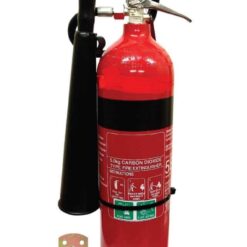
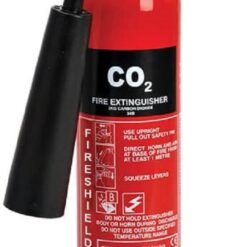
Carbon dioxide extinguishers are commonly selected for suitable Class B flammable-liquid fires and certain electrical equipment risks. They do not leave powder residue, although they have important limitations, including reduced effectiveness on deep-seated combustible fires.
Our range includes a 2kg carbon dioxide fire extinguisher. Always verify the product's certified rating and operating instructions.
Foam Fire Extinguishers
Foam extinguishers are designed for suitable Class A and Class B fire risks, depending on the product's rating. They may be used in appropriate commercial, industrial and workshop environments.
Supreme Networks lists a 9-litre foam extinguisher. Check its specific approvals, electrical-use limitations and extinguishing-agent details before selecting it.
Choosing the Right Fire Extinguisher
- Fire classification: Match the extinguisher rating to the materials and hazards present.
- Extinguishing agent: Compare dry powder, CO2, foam and other suitable types.
- Capacity: Select the appropriate cylinder size for the assessed risk.
- Electrical equipment: Check whether the extinguisher is approved for the intended electrical hazard.
- Mounting: Consider suitable wall brackets and accessible positioning.
- Certification: Verify the markings and approvals of the actual supplied product.
- Inspection: Check service labels, pressure indicators where fitted and cylinder condition.
- Maintenance: Arrange periodic servicing by competent personnel.
- Training: Ensure occupants understand emergency procedures and safe extinguisher use.
Fire Extinguishers for Different Applications
Home and Residential Fire Safety
Residential fire protection requires suitable equipment for the hazards present, together with smoke alarms, escape planning and appropriate occupant awareness.
Offices and ICT Equipment Rooms
Offices and technology environments may require carefully selected extinguishers for electrical equipment and other fire risks. Equipment selection should consider residue, ventilation and occupant safety.
Warehouses and Industrial Premises
Warehouses and industrial facilities may contain several fire hazards. Therefore, extinguisher selection, positioning and quantities should follow an appropriate fire risk assessment.
Vehicles and Workshops
Compact portable extinguishers may be suitable for selected vehicles and workshops. Check the fire rating, mounting requirements and applicable regulations.
Fire Extinguisher Inspection and Maintenance
Fire extinguishers require regular visual checks and periodic professional maintenance. Inspections should consider accessibility, tamper seals, pressure indicators where fitted, service labels and physical condition.
Never use an extinguisher that is damaged, improperly serviced or unsuitable for the identified fire risk.
Related Fire Safety Equipment
For smoke detectors, fire alarm control panels and sounders, explore Fire Alarm Systems.
Browse Asenware Fire Alarm Equipment for compatible fire detection products.
Visit Security Systems for additional building safety solutions.
Frequently Asked Questions
What is the difference between dry powder and CO2 fire extinguishers?
Dry powder extinguishers use a powdered agent suitable for their certified fire classes. CO2 extinguishers discharge carbon dioxide and leave no powder residue. Each has different strengths and limitations.
Which fire extinguisher is suitable for electrical equipment?
Suitable CO2 extinguishers are commonly used for certain electrical equipment risks. However, selection must follow the product's rating, equipment conditions and relevant safety guidance.
Are foam fire extinguishers suitable for flammable liquids?
Many foam extinguishers are rated for Class B flammable-liquid fires. Check the specific product rating and limitations before use.
Do fire extinguishers require servicing?
Yes. Portable extinguishers require inspection and maintenance according to applicable requirements and manufacturer instructions.
Can one type of fire extinguisher be used for every fire?
No. Different fire risks require appropriate extinguishing agents. Cooking oil fires, electrical equipment hazards, flammable liquids and combustible materials may require different equipment.