Explore fire alarm systems in Kenya at Supreme Networks for residential, commercial, industrial and institutional buildings. Shop fire detection and warning equipment designed to support early fire identification and occupant notification.
Discover fire alarm control panels, including conventional and addressable systems for different building layouts and monitoring requirements.
Browse fire detection systems featuring smoke detectors, heat detectors and compatible alarm devices for offices, schools, hotels, hospitals, warehouses and other premises.
Find fire alarm equipment in Nairobi, including manual call points, fire alarm sounders, strobe lights, control panels and fire-resistant cables.
Explore commercial fire alarm systems designed for suitable business and institutional applications, with options for multi-zone monitoring and compatible building safety integrations.
Our product selection includes Asenware fire detection equipment and associated components.
For brand-specific products, visit our Asenware Fire Alarm Equipment category.
For system design, installation and maintenance, explore our Fire Alarm Installation and Fire Safety Solutions page.
Supreme Networks supplies fire alarm equipment in Nairobi, with delivery options across Kenya.
Fire Extinguisher
Fire Alarm systems
Fire Extinguisher
Fire Alarm Systems and Fire Detection Equipment
Fire alarm systems provide early warning of potential fire emergencies. A properly designed system combines suitable detectors, control equipment and audible or visual notification devices to help occupants respond promptly.
Supreme Networks supplies fire detection equipment for residential, commercial and institutional applications. In addition, we provide fire alarm installation solutions for suitable projects.
Conventional Fire Alarm Systems
Conventional fire alarm systems organize detection devices into zones. When an alarm activates, the control panel identifies the affected zone rather than necessarily identifying an individual detector.
These systems can be suitable for smaller buildings and straightforward installations, depending on the required design and applicable fire safety standards.
Addressable Fire Alarm Systems
Addressable systems communicate with compatible individually identifiable devices. Consequently, they can provide more precise information about alarm locations and device faults.
They are commonly considered for larger buildings, hotels, hospitals, office complexes and industrial facilities.
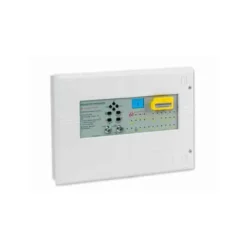
Fire Alarm Control Panels
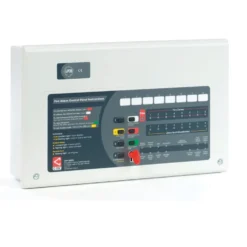
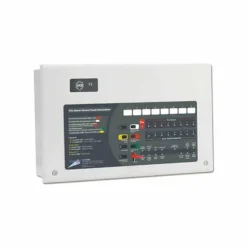
Fire alarm control panels receive signals from compatible detection devices and activate the appropriate notification equipment. Available configurations may include conventional 2-zone, 4-zone and 8-zone panels, as well as addressable systems.
Choose a panel according to the number of detection zones, supported devices, required outputs and building design.
Smoke Detectors
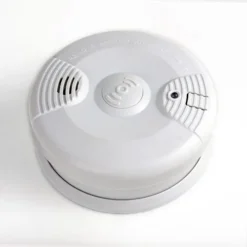
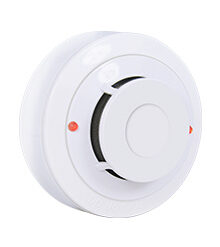
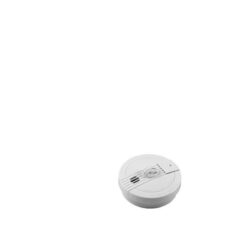
Smoke detectors identify smoke associated with developing fires. Optical smoke detectors are commonly used in suitable indoor environments, while other detector technologies may be selected according to the risk assessment.
Always confirm whether a detector is standalone or designed to connect to a compatible fire alarm control panel.
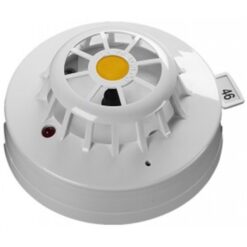
Heat Detectors
Heat detectors respond to specified temperature conditions or temperature changes, depending on the model. They can be suitable for environments where smoke detection may produce unwanted alarms.
However, detector selection should follow the building's fire risk assessment and applicable design standards.
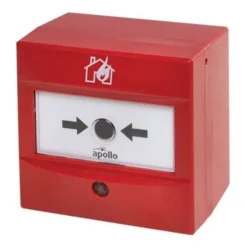
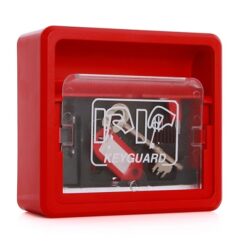
Manual Call Points
Manual call points allow occupants to initiate a fire alarm when they discover a fire. They should be positioned according to the approved system design and relevant safety requirements.
Fire Alarm Sounders and Strobe Lights
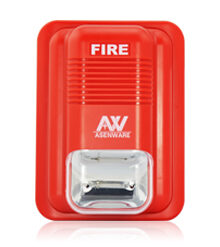
Sounders, bells and strobe lights provide audible or visual notification during an alarm event. For example, a combined fire strobe sounder can provide both sound and flashing light when activated by a compatible system.
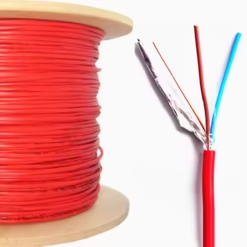
Fire-Resistant Alarm Cables
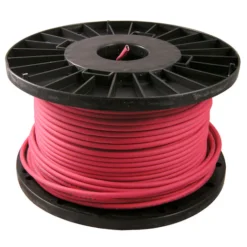
Suitable fire-resistant cables are used in fire alarm installations where required by the system design and applicable standards. Select the correct cable construction, conductor size and fire performance rating for the intended application.
Choosing the Right Fire Alarm System
- Building type: Consider residential, commercial, institutional or industrial requirements.
- System design: Compare conventional, addressable and suitable wireless configurations.
- Detection zones: Determine the required monitoring coverage.
- Detector selection: Choose smoke, heat or other approved detection technologies.
- Notification: Consider compatible sounders, bells and visual alarm devices.
- Power supply: Verify primary power and backup battery requirements.
- Compatibility: Match detectors and accessories to the correct control panel.
- Compliance: Follow applicable Kenyan requirements and relevant product and installation standards.
- Maintenance: Plan routine inspection, testing and servicing.
Fire Alarm Equipment for Different Buildings
Offices and Commercial Buildings
Commercial premises require fire detection and notification equipment suited to their occupancy, layout and fire risks. Therefore, the system should be selected following a suitable assessment.
Schools, Hospitals and Hotels
Institutional and hospitality buildings may require extensive detection coverage, clear alarm notification and integration with other building safety systems.
Warehouses and Industrial Facilities
Industrial environments may require specialized detectors, suitable environmental protection and carefully designed alarm zones.
Fire Alarm Installation and Maintenance
Correct installation, commissioning and periodic maintenance are essential for dependable fire alarm operation. Furthermore, equipment must be compatible with the approved system design and applicable safety requirements.
Learn more about our Fire Alarm Installation and Fire Safety Solutions in Kenya.
Related Fire Safety and Security Equipment
Browse Asenware Fire Alarm Equipment for control panels, detectors, sounders and compatible accessories.
Explore Security Systems for additional safety and protection equipment.
For complementary monitoring, visit CCTV Surveillance Systems.
Frequently Asked Questions
What is the difference between conventional and addressable fire alarm systems?
Conventional systems generally identify the affected detection zone, while addressable systems can identify individual compatible devices.
What equipment is needed for a fire alarm system?
A typical system may include a control panel, smoke or heat detectors, manual call points, sounders, visual alarms, compatible cabling and backup power. Requirements depend on the building and approved design.
Can smoke detectors operate without a fire alarm panel?
Some smoke alarms operate independently, while system detectors require a compatible control panel. Check the product specifications before purchasing.
Are fire alarm systems suitable for warehouses?
Yes. However, warehouse fire detection must account for factors such as ceiling height, environmental conditions, stored materials and the applicable fire safety requirements.
Do fire alarm systems require regular maintenance?
Yes. Fire alarm systems require appropriate inspection, testing and maintenance to help ensure reliable operation and continued compliance.